
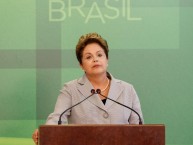
Recent trends in Brazil have raised a red flag for many economic analysts and may make the task of re-election for incumbent President Dilma Rousseff more difficult in the upcoming October elections. Though Ms. Rousseff has maintained a competitive position in recent opinion polls, the economy has shown little sign of recovery and is certain to weigh in voters’ choices. The government has been buoyed so-far by its generous social programs, and still firm local employment figures. However, the government itself has revised its economic growth projections downward to around 1% this year. Together with high inflation, around 7%, and elevated interest rates, the current stagnant growth situation has offered opposition candidates an opportunity to break the 12-year incumbency of the governing Workers’ Party. Already opposition candidates are chiming in about the country’s defeat by 7 to 1, in allusion to the inflation to growth ratio and also to the country’s recent devestating defeat to Germany by the same amount in the locally hosted World Cup soccer championships. Notably, Brazil fired its previously successful soccer coach following the unexpected event. Ms. Rousseff would do well to signal a change in the economic scorecard if she hopes to avoid a similar fate in October.



uk2k8y