Brazil’s leading presidential candidates Wednesday presented plans for the upcoming presidental term to local industrial officials with diverging views on the appropriate remedies for bolstering the country’s economy,
In presentations before Brazil’s National Confederation of Industries, the three main candidates drew a stark contrast regarding the gravity of a recent economic slump and its consequences for the country.
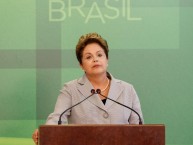
For the incumbent President, Dilma Rousseff, the opposition candidates have focused too pessimistically on recent disappointing economic data and ignored advances made by the government that have prepared the way for more growth.
“We have created the foundation and we’ll now enter a new cycle: a cycle of industrial competiteness,” she said, highlighting the importance of recent government concession programs for infrastructure.
Aecio Neves, candidate for the opposition Social Democratic party, meanwhile said that recent slow growth was due to a lack of clarity and consistency from the Rousseff adminstration on management of the economy.
“Investors expect clear rules, secure destinations for investment, clear regulations for markets and actions that increase the productivity and quality of services,” said Mr. Neves, the former governor of Minas Gerais state.
He said the country needed to take more energetic action and raise the current investment rate to around 24% of GDP from 18% currently.
Socialist party candidate Eduardo Campos in his presentation said the government needed to do more to bring together disparate political factions, and pledged to push for economic reforms shortly after taking office.
“I want to lead an agenda of increased productivity for Brazil beginning on January 1,” he said.
Mr. Campos, who is running alongside popular former Green Party candidate Marina Silva, said his ticket was the only one capable of breaking a cycle of gridlock and patronage promoted during previous administrations of Mr. Neve’s PSDB party and Ms. Rousseff’s PT, or Workers’s Party.
The event Wednesday represented the first time the leading presidential candidates in Brazil faced off against each other directly in the campaign season ahead of scheduled nationwide elections in October.
Ms. Rousseff’s earlier lead in polls has diminished recently amid disappointment over the performance of the country’s economy. Government and private sector analysts have revised the country’s economic growth outlook downward in recent months to around 1%.
The country’s National Confederation of industries this week presented a document to the candidates emphasizing the need for the next government to undertake a proposed broad tax reform measures that have been delayed repeatedly over the past decade.